
Krama: Cambodia's woven scarf
Cambodia's Iconic Woven Scarf
The krama is a symbolic textile of the Khmer people, traditionally woven in cotton and worn throughout Cambodia for centuries.
Worn by men, women and children alike, the krama is part of everyday life. Head covering, sarong, baby carrier, towel, bundle, or protection from the sun: its uses are countless. More than clothing, it is a practical object shaped by daily needs and gestures.
Historical records trace the krama back to at least the 13th century, when the Chinese envoy Zhou Daguan described it in Angkor. Since then it has endured across generations and regions. Each province traditionally had its own dominant colour, making the krama both a functional textile and a marker of identity.
Recognised by UNESCO as part of Cambodia's intangible cultural heritage, the krama is a living tradition. Passed down through generations, it reflects a way of life shaped by practicality, adaptability and craftsmanship, where textiles are valued for their everyday use rather than for ornament.
At Krama or Vichy, we approach the krama in its most essential expression and reinterpret it through its natural versatility, giving rise to a range of everyday accessories designed to be worn, used and lived with. For styling ideas, read eight ways to wear a krama. To see pieces in person, find our stockists in Cambodia.
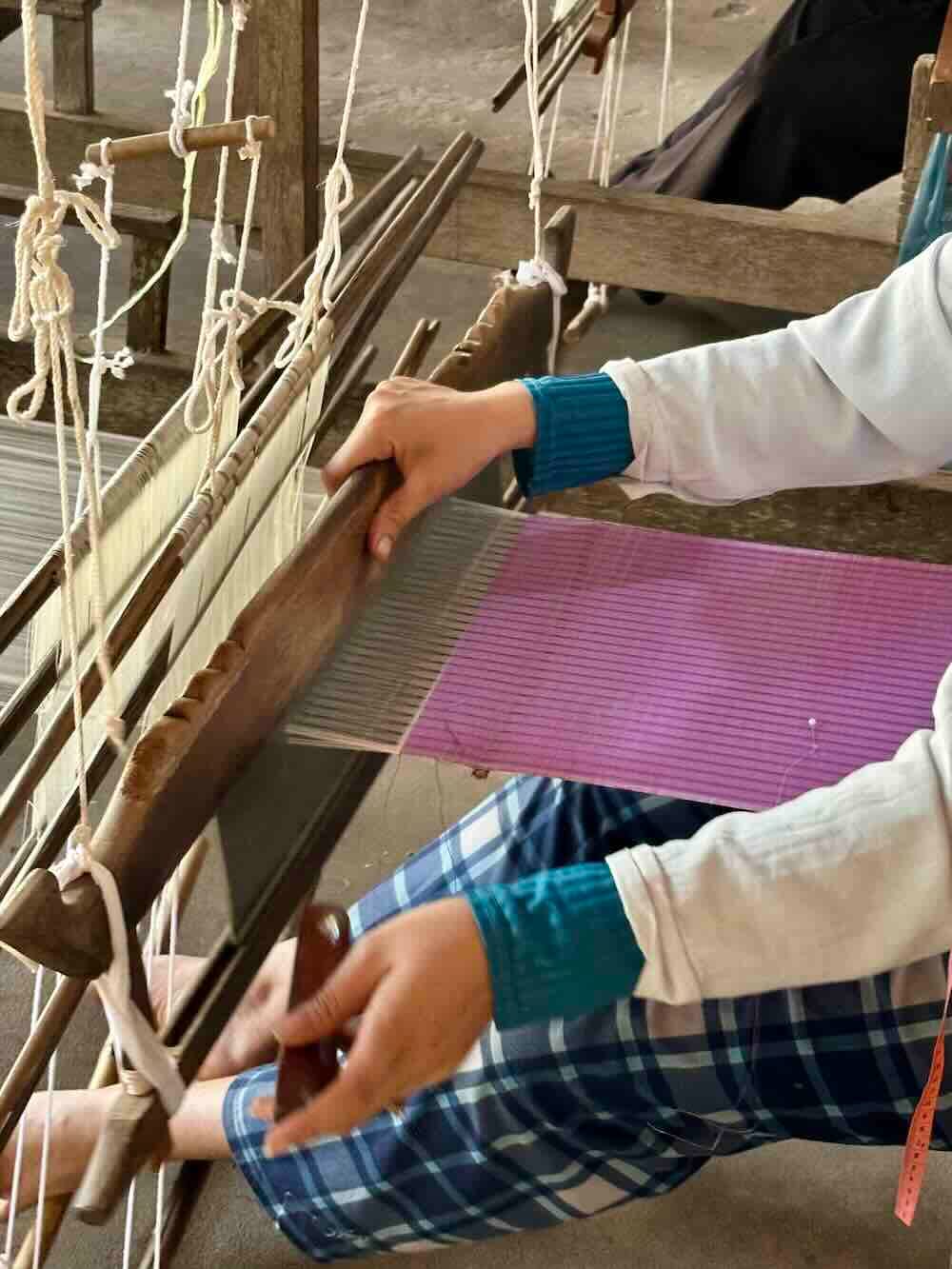
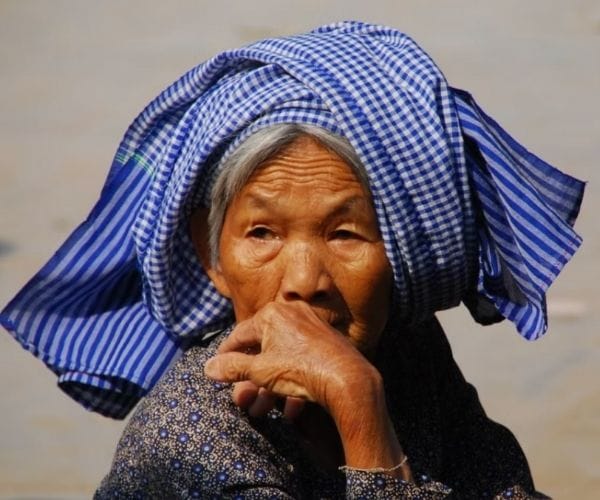
Photo BMR & MAM
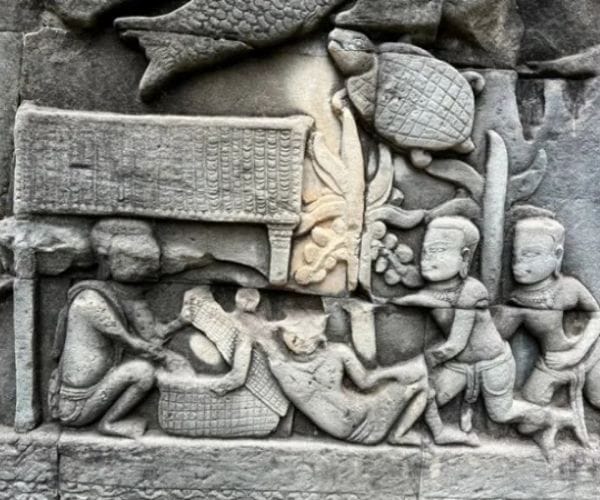
Kramas in the Bayon Temple bas-reliefs ©UNESCO
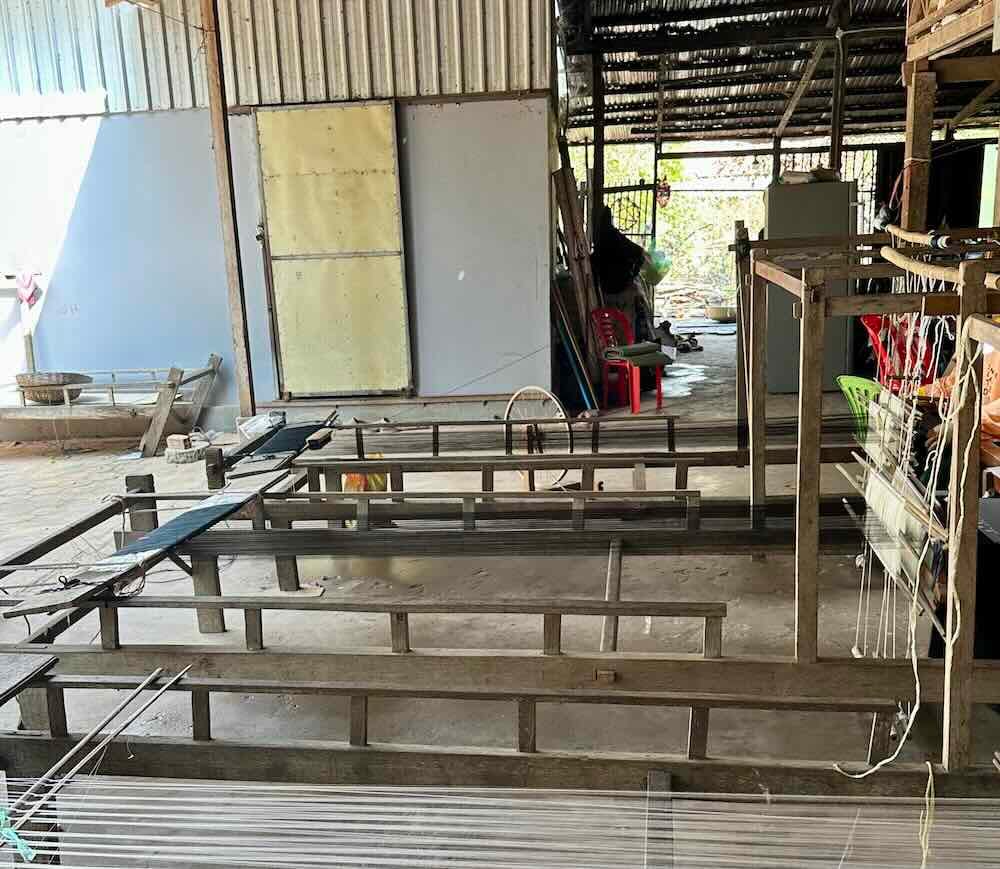
Discover our Krama collection
Everyday pieces, woven with care
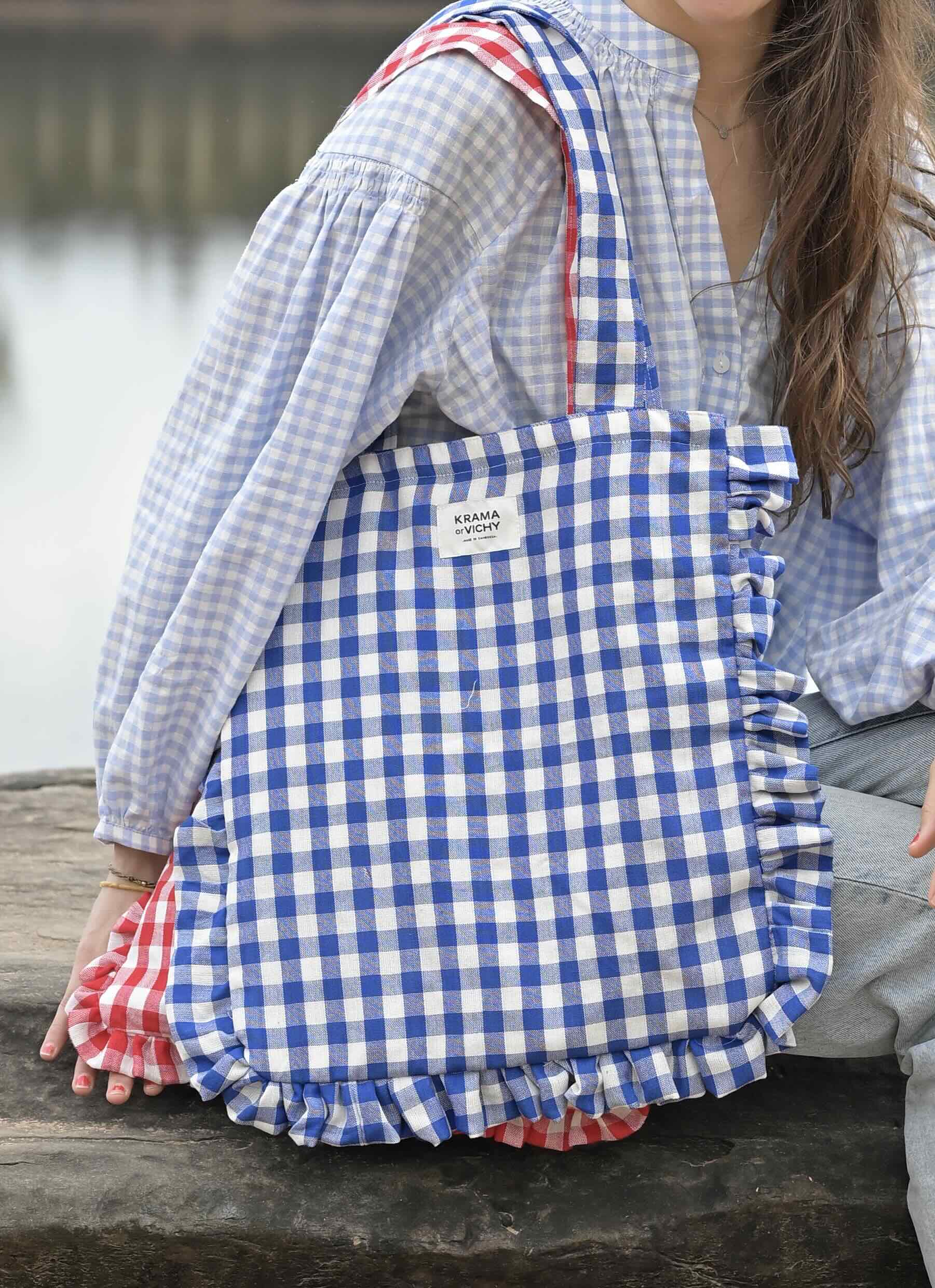
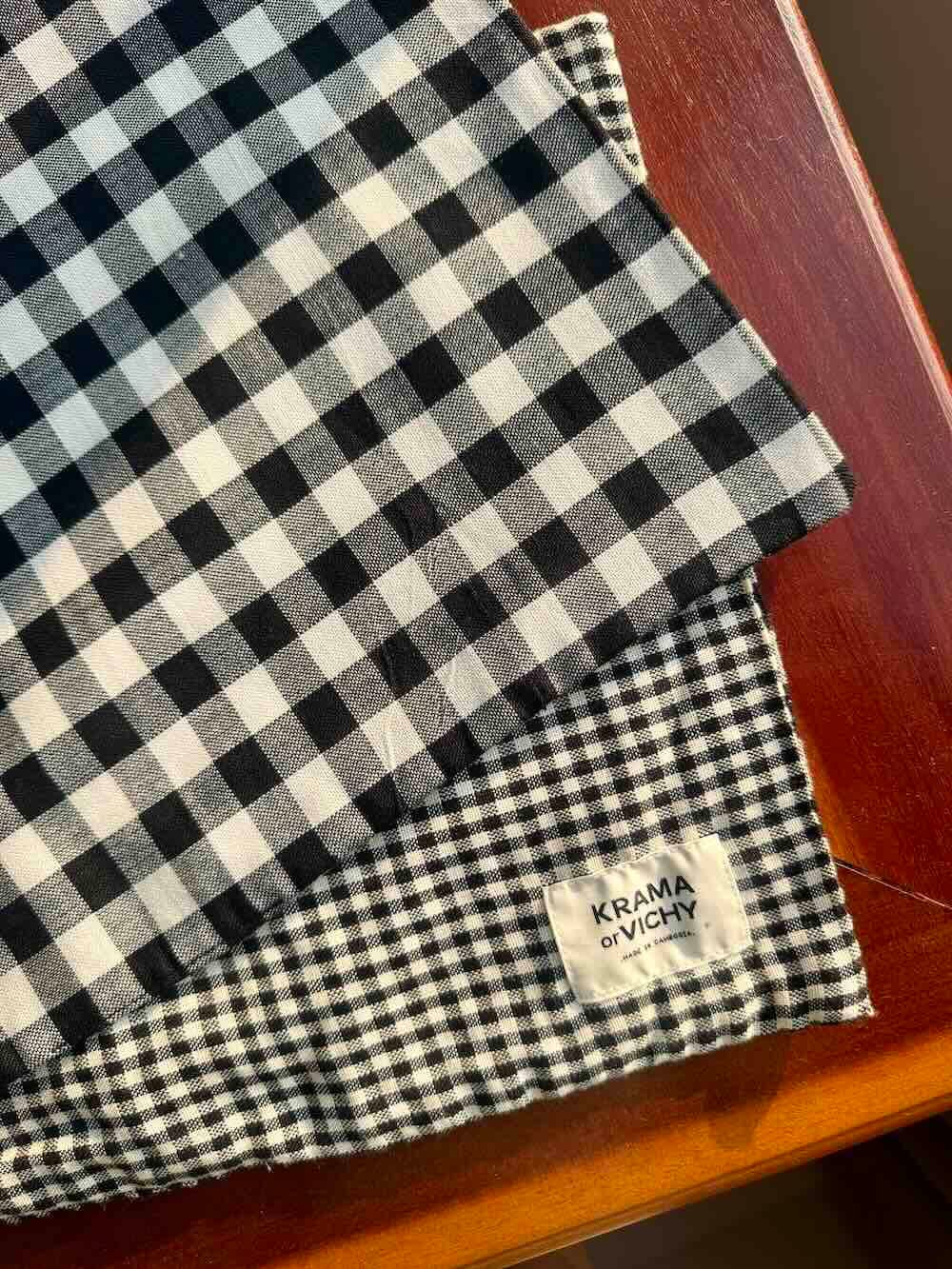
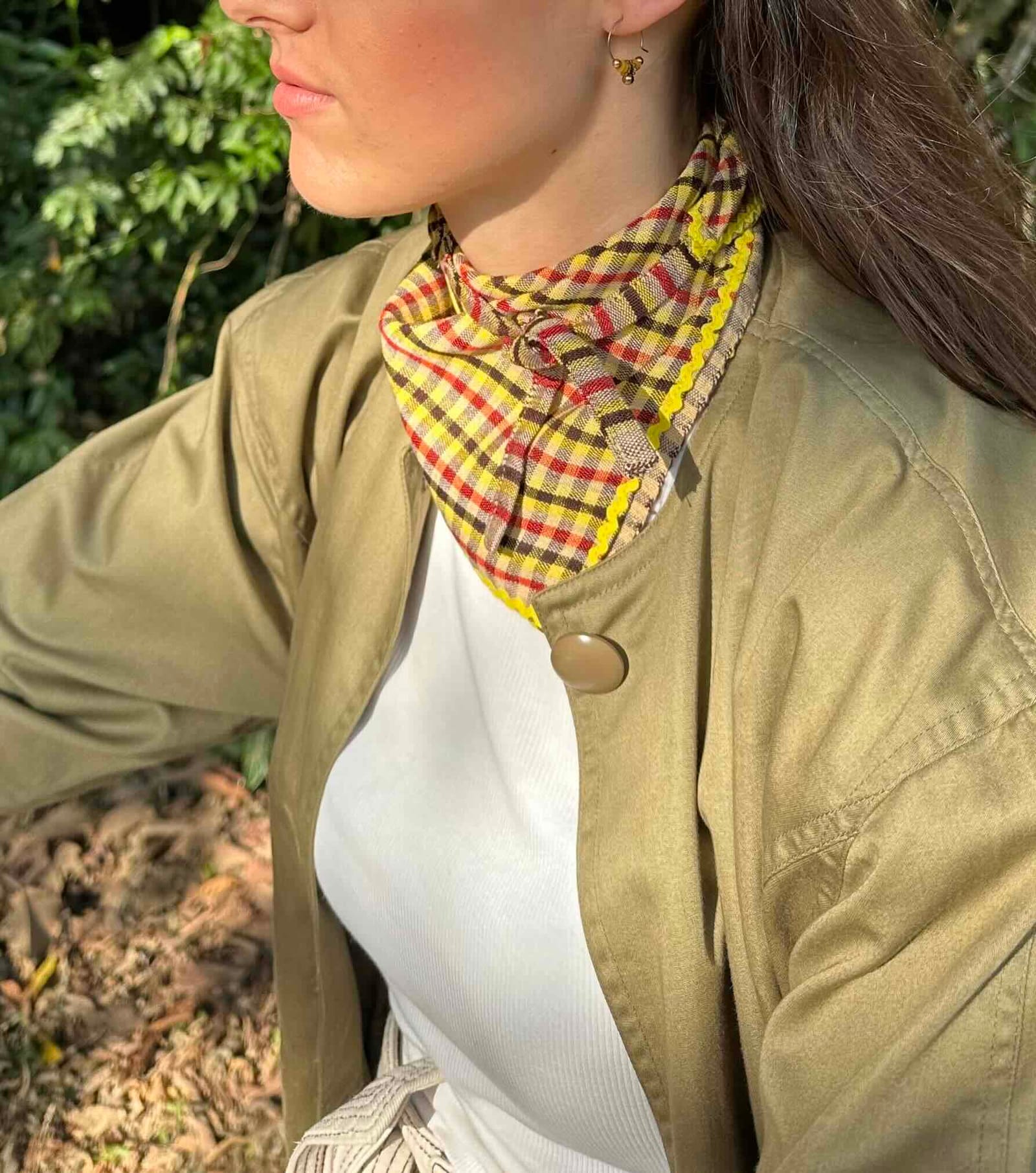
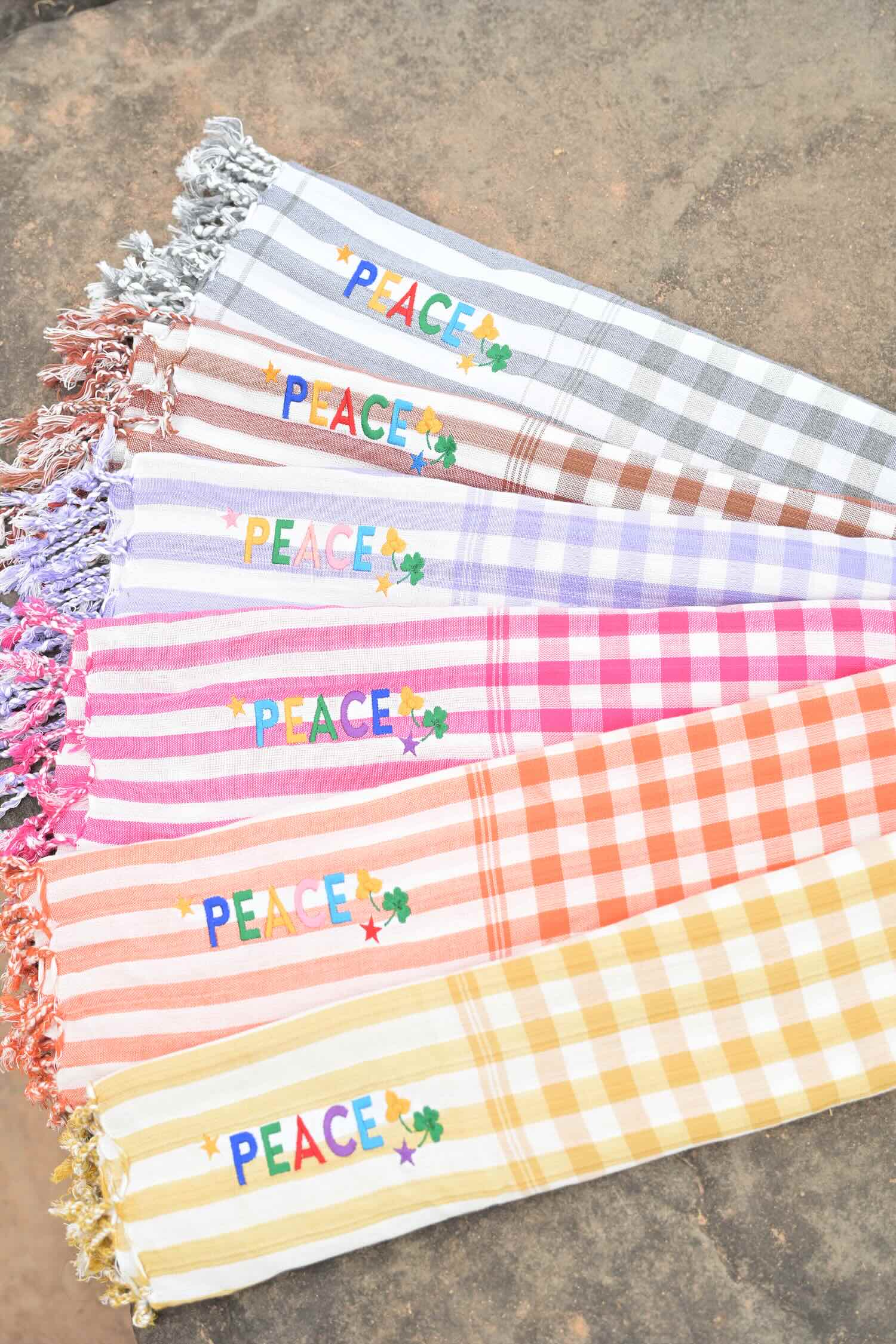
“As a garment, each Krama is unique to one individual, as it is believed to hold particular spiritual power, which brings good fortune and protection to its bearer. It can be worn as a scarf, a belt, a blanket, a bandana: when wrapped around the hips it is called a Sampot, a Peanea when worn diagonally across the upper body, and a Chorn Pong if draped across a woman's chest.
During traditional games, Kramas can be seen bundled into a ball to play the Chol Chhuong, tied around the waists or foreheads of Bokator fighters to indicate their status, or twisted into a blindfold for the Reay Bangkong and Veay Kaom during the Khmer New Year celebrations.”
UNESCO website. Krama, inscribed on the Representative List of the Intangible Cultural Heritage of Humanity.