Journal · 7 min read
Ethical Souvenirs in Cambodia: How to Shop Responsibly and Support Local Artisans
By Hélène · June 1, 2026
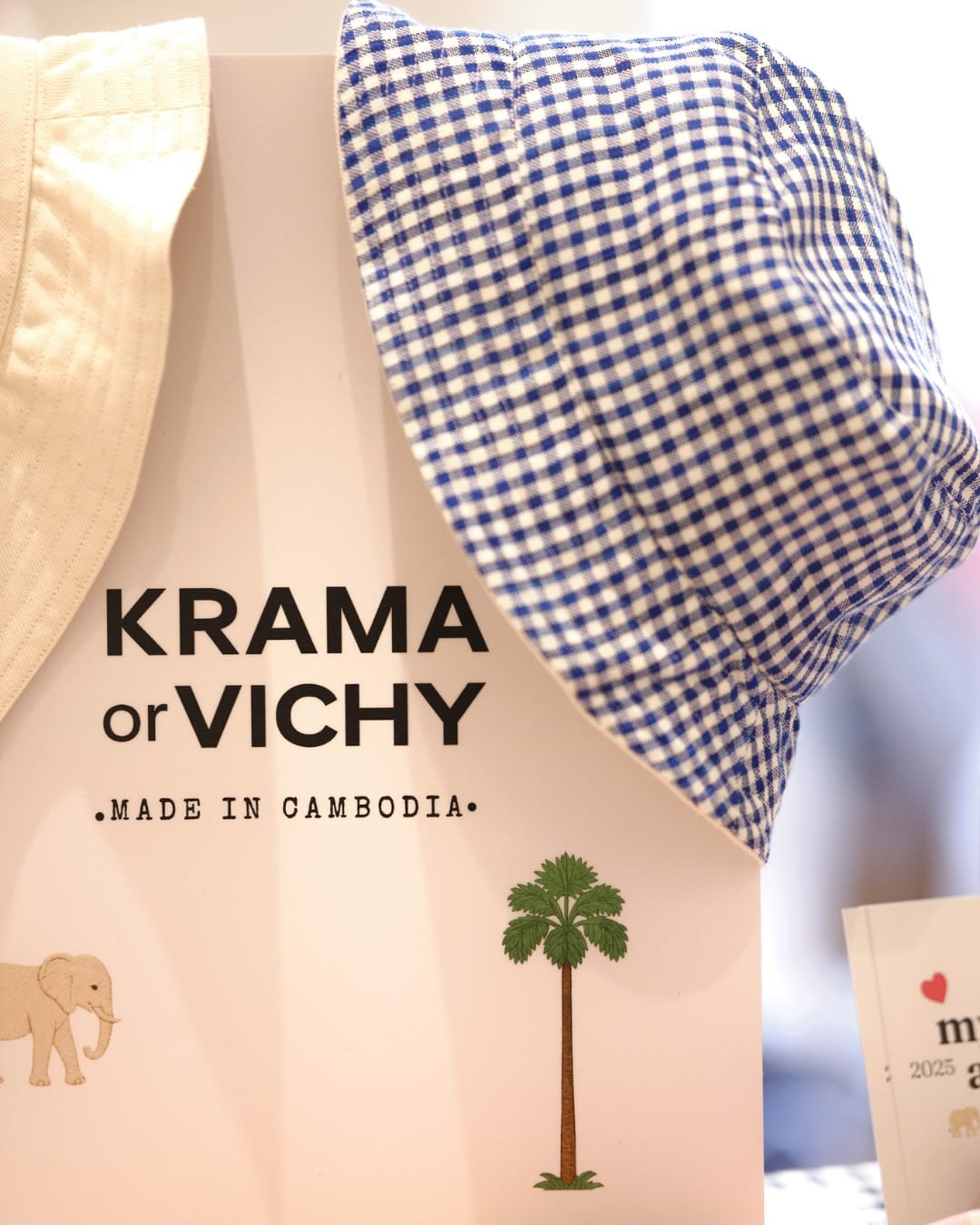
A souvenir is a small transaction, but where the money goes can vary a lot. Money spent on a handmade piece tends to stay with the artisan and their workshop. Money spent on an imported item usually does not. Shopping thoughtfully in Cambodia does not mean spending more. It means knowing what you are buying and where it comes from.
Why ethical shopping matters in Cambodia
Cambodia has a deep tradition of textile and craft work, but that tradition competes with cheap imported goods sold to tourists as local. When you choose something genuinely handmade, you support the artisans who keep those skills alive and the small workshops that pay them. It is one of the most direct ways a traveller can leave something good behind.
How to spot genuinely handmade craft
Questions worth asking
- Where was this made, and by whom? A genuine maker answers without hesitation.
- Is the fabric woven or printed? Handwoven krama has texture and weight; printed imitations feel flat.
- Is this the artisan's own work, or resold? Small brands and cooperatives are usually happy to explain.
Red flags of mass-produced goods
- The exact same item is stacked high in dozens of identical stalls.
- Prices are far below what handwork typically costs, which usually signals machine production rather than craft.
- The seller cannot or will not say where a piece was made.
Materials that carry meaning
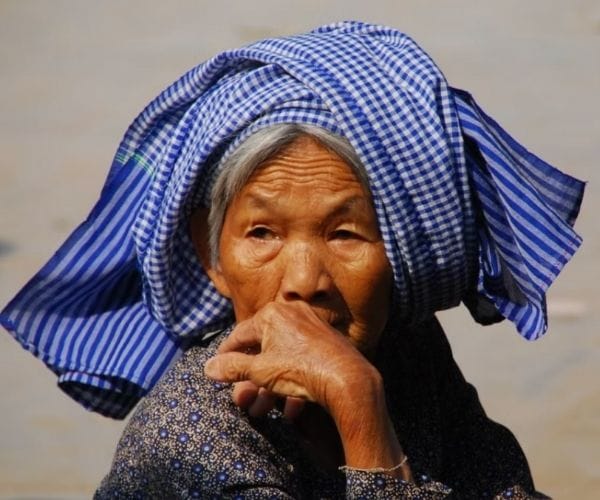
The most meaningful ethical souvenir is often the simplest. The krama, Cambodia's traditional cotton check scarf, is woven locally and rooted in everyday Khmer life. You can read its full history on our krama page. Choosing a real handwoven krama over a printed copy is ethical shopping in its most concrete form.

Supporting artisans, one piece at a time
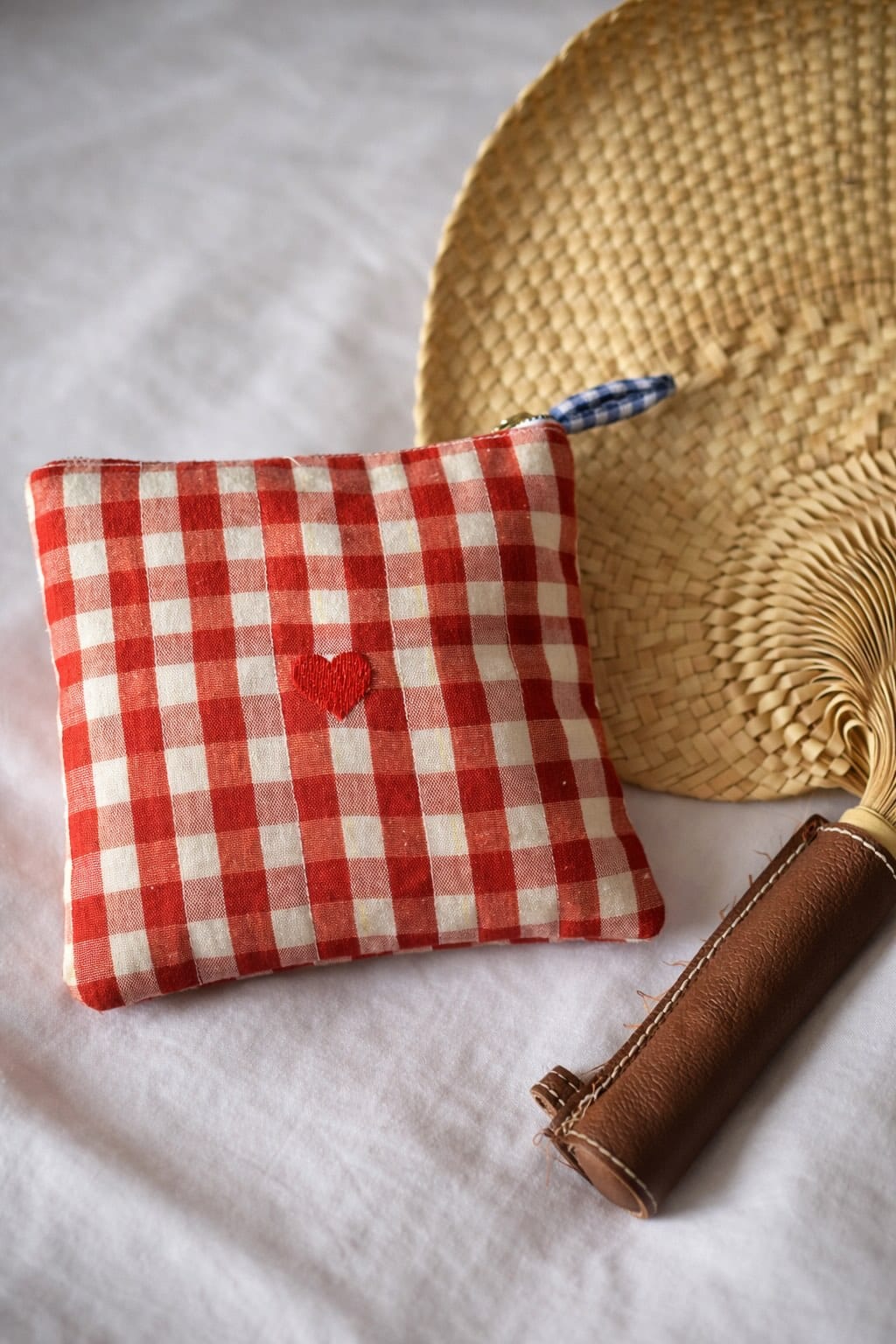
Buying directly from makers keeps more of the value with the people who did the work. That is the whole reason our pieces are made the way they are, by local artisans, entirely by hand. You can read more about the people and craft behind them in our story.
Every piece is 100% handmade in Cambodia by local artisans. That is the whole point.
Read our story →Frequently asked questions
How can I shop ethically in Cambodia?
Buy genuinely handmade pieces directly from artisans, cooperatives or small local brands who can tell you where and how each item was made. Choose woven textiles over printed imitations, and be cautious of impossibly cheap goods.
What does handmade in Cambodia actually mean?
It means the piece was crafted by hand by local artisans in Cambodia, rather than machine-produced or imported. A trustworthy maker will confirm the workshop or region and explain the technique.
How do I support Cambodian artisans as a tourist?
Buy from the makers themselves or from brands that work directly with artisans and pay fair wages. Choosing handmade over mass-produced souvenirs keeps more value with the people who did the work.
Are krama scarves ethically made?
Traditional krama is handwoven in Cambodia, but many market versions are imported and machine-printed. For an ethical choice, buy a genuine handwoven krama from an artisan or brand that confirms it is made in Cambodia.