Journal · 5 min read
How to Wash a Krama, and Any Handwoven Cotton, So It Lasts for Years
By Hélène · July 13, 2026
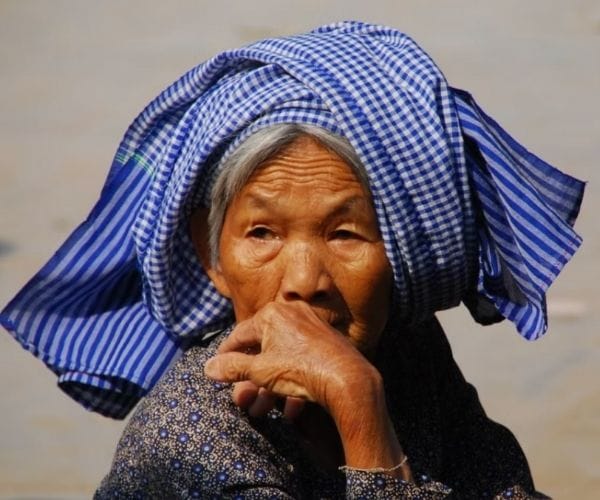
The best thing about handwoven cotton is that it is made to be used. A krama was never a delicate object: it works in the sun, gets wet, gets wrung out and comes back for more. Yours does not need babying, just a few good habits.
Follow the simple routine below and the fabric will do what handwoven cotton does best: soften, settle and quietly improve with every wash.
Why handwoven cotton is a little different
Fabric woven on a manual loom has a slightly looser, livelier structure than industrial cloth. That is exactly what makes it breathable and quick to soften, and it is also why it appreciates gentleness: lower temperatures, milder soap, no brutal tumble drying.
The first wash
The first wash is the one that sets the tone. Three rules cover it:
- Wash it alone or with similar colours, in cold water. Dyed cotton can release a little excess colour the first time; that is normal and stops after a wash or two.
- Use a mild detergent and skip the bleach and strong stain removers entirely.
- Expect a little shrinkage. Like most pure cotton, a handwoven piece can tighten slightly on first contact with water, then it stays put.
Machine or hand wash?
Both work. By hand, lukewarm water and a little mild soap take five minutes: soak, squeeze gently through the fabric, rinse, and press the water out without twisting hard.
In the machine, choose a gentle cycle, cold or 30 degrees, with a moderate spin. A laundry net is a nice extra for pieces with fringes, and it keeps the tassels of a krama from tangling with the rest of the load.
Drying
Air drying is all handwoven cotton ever needs, and in a Cambodian courtyard that is exactly how it has always been done. Hang it in the shade rather than full sun to keep the colours deep, and skip the tumble dryer, which is hard on the weave and on the fringes.
Ironing and storing
Cotton irons easily: medium heat, ideally while the fabric is still slightly damp. For storage, folded on a shelf is perfect. Handwoven pieces like our placemats can simply be shaken out, refolded and stacked between uses.
If something goes wrong
- A thread pulls loose: never yank it. Snip it level with the fabric with small scissors and the weave will hold.
- A colour has run: rewash promptly in cold water with mild soap. Fresh colour transfer often lifts out; heat is what fixes it, so avoid the dryer until it is gone.
- A stain: treat it early with mild soap and cold water, working from the edge inward, rather than reaching for aggressive products.
That is the whole science of it. A krama that is worn, washed and line-dried for years does not wear out so much as grow into itself: softer, more supple, the checks mellowed into something no new piece can imitate.
Frequently asked questions
Does handwoven cotton shrink?
A little, usually on the first wash, like most pure cotton. Wash cold and air dry and the piece will settle at its true size and stay there.
Can I put a krama in the washing machine?
Yes. Use a gentle cycle, cold or 30 degrees, with mild detergent. A laundry net protects the fringes, and air drying finishes the job better than a tumble dryer.
How often should I wash a krama?
As often as you would wash any scarf or towel used the same way. Handwoven cotton is made for frequent washing; it softens and improves with it rather than wearing out.